
Understanding the Functionality of Drone Jammers
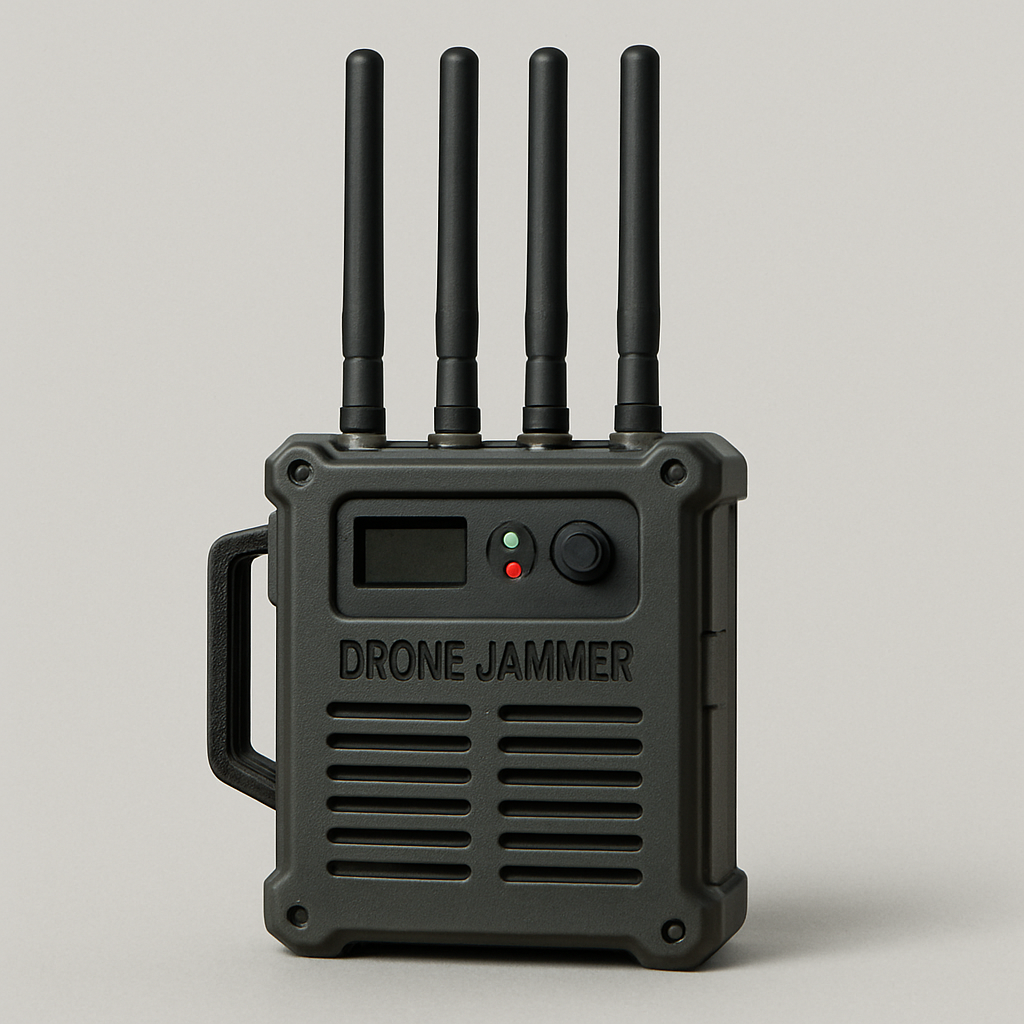
Drone jammers are devices designed to disrupt the communication between a drone and its operator. By interfering with the drone’s control signals, these jammers can effectively disable the drone and prevent it from operating within a certain range. This technology is often used by the military, law enforcement agencies, and individuals seeking to protect their privacy or secure a specific area from unauthorised drone activity.
These devices have become increasingly important as drones become more prevalent in everyday life. In addition to privacy concerns, there are risks associated with drones entering restricted airspace, such as around airports or sensitive infrastructure. Drone jammers provide a technological solution to these challenges, ensuring that drones do not pose a threat to safety or security.
How Do Drone Jammers Work?
The Basics of Drone Communication
Before understanding how drone jammers function, it’s essential to grasp how drones communicate. Most consumer drones operate using radio frequencies (RF) for their communication. These frequencies include GPS signals for navigation and other signals for control and video transmission. This communication allows the operator to control the drone’s movements and receive real-time video feedback.
Drones rely heavily on this communication link, and any disruption can lead to loss of control. The sophistication of the communication systems in drones varies, with some using encrypted signals to enhance security. Understanding these communication systems is crucial for grasping how drone jammers can effectively disrupt drone operations.
Jamming the Drone Signal
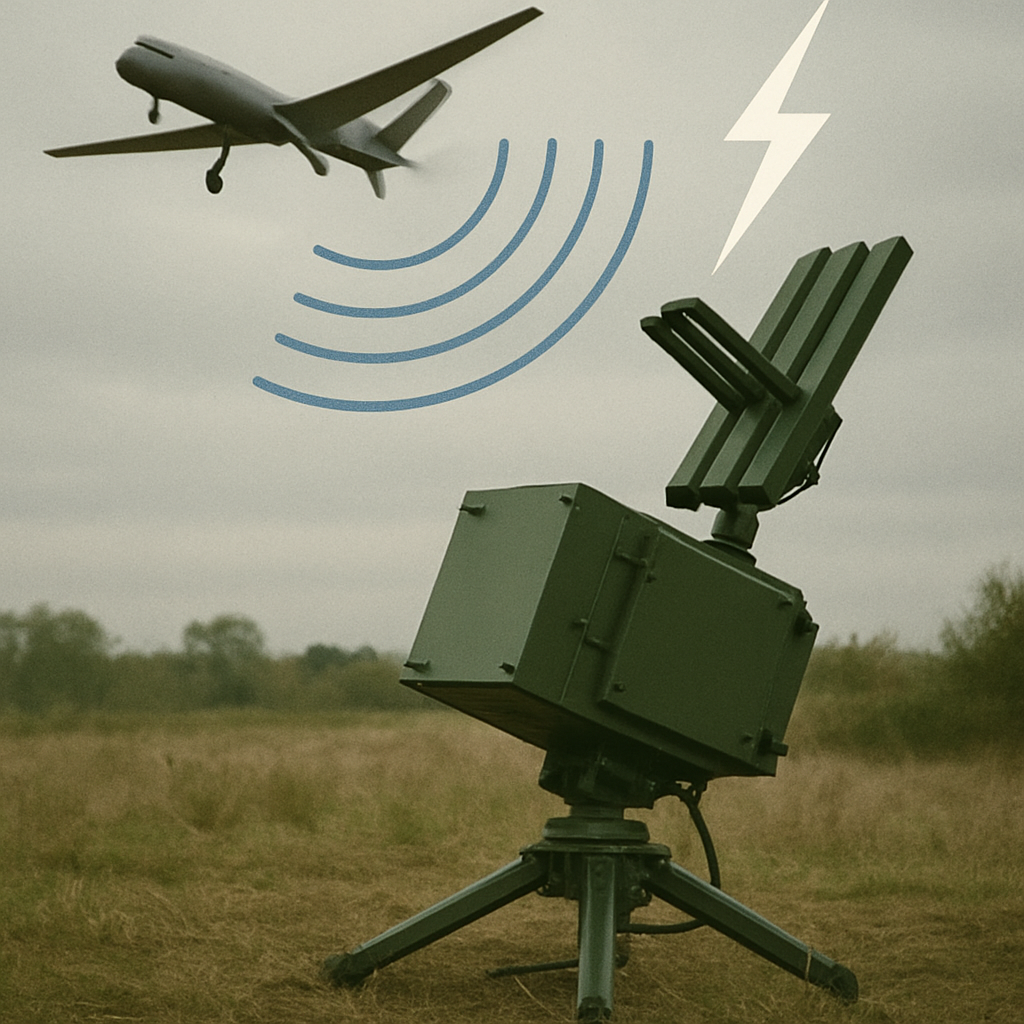
Drone jammers work by sending out a stronger signal on the same frequency that the drone uses to communicate with its operator. This effectively "jams" the frequency, causing interference that disrupts the communication link. As a result, the drone may hover in place, return to its point of origin, or land immediately, depending on its programming.
The jamming process is akin to creating noise on a radio channel, making it impossible for the original communication to take place. This technique is not new and has been used in various forms for decades in military operations. However, with the rise of consumer drones, the technology has been adapted for civilian use, creating new opportunities and challenges.
Types of Drone Jammers
There are various types of drone jammers, each with different capabilities and purposes:
- Handheld Drone Jammers: Portable devices that allow individuals to jam drones within a specific range. These are often used for personal privacy protection. They are easy to carry and can be deployed quickly, making them a popular choice for individuals concerned about drone intrusion.
- Military Drone Jammers: Advanced jammers used by the military to disrupt enemy drones in conflict zones. They have a much broader range and more sophisticated technology. These devices are often part of larger systems designed to maintain airspace security and can target multiple drones simultaneously.
- Anti-Drone Systems: Comprehensive systems that include radar, jammers, and other technologies to detect and neutralise drones in sensitive areas such as airports or government facilities. These systems provide a layered approach to drone defence, combining detection with neutralisation capabilities to protect critical infrastructure.

Legal Considerations of Drone Jammers
Are Drone Jammers Legal?
The legality of drone jammers varies by country and jurisdiction. In many places, the use of jammers is heavily regulated or outright illegal. This is because jamming devices can interfere with legitimate communications, posing risks to public safety and emergency services. The potential for unintended consequences makes the regulation of these devices crucial.
In regions where drone jammers are permitted, their use is often restricted to specific entities, such as law enforcement or military agencies. Unauthorised use by civilians can lead to significant legal consequences, including fines and imprisonment. Understanding the legal landscape is essential for anyone considering the use of drone jammers.
Regulations and Guidelines
In the United States, for example, the Federal Communications Commission (FCC) prohibits the sale, marketing, or use of jammers. Violating these regulations can result in significant fines and legal consequences. It’s crucial for individuals and organizations to understand and comply with local laws before considering the use of drone jammers.
Other countries may have different regulations, with some allowing limited use under strict conditions. It is important for users to stay informed about the legal status of drone jammers in their area and to seek legal advice if necessary. Adhering to regulations ensures that the use of these devices does not inadvertently cause harm or legal issues.
Alternatives to Drone Jammers
For those concerned about drone privacy or security, there are alternatives to consider that don’t involve jamming:
- Geofencing: Many modern drones come equipped with geofencing technology, which prevents them from entering restricted areas. This technology uses GPS to create virtual boundaries, and drones will automatically avoid or return from these zones.
- Drone Detection Systems: These systems can alert you to the presence of drones and provide options for neutralising them without jamming. Detection systems often use radar, radio frequency scanners, or acoustic sensors to identify drones in the vicinity.
- Physical Barriers: Installing netting or other physical barriers can protect sensitive areas from unauthorised drone entry. While this approach may not stop all drones, it can be an effective deterrent for low-flying or slow-moving devices.
Each of these alternatives offers a way to manage drone activity without resorting to potentially illegal or harmful jamming techniques. By exploring these options, individuals and organisations can protect their privacy and security while remaining compliant with the law.
DIY Drone Jammers: Risks and Challenges
Some enthusiasts may consider building their own drone jammers using DIY kits available online. However, it’s important to note the risks and challenges associated with this approach:
Technical Complexity
Building a drone jammer requires a solid understanding of electronics and radio frequencies. It’s not a simple task and can pose significant challenges for those without technical expertise. The process involves assembling complex components and ensuring the jammer operates at the correct frequency without causing unintended interference.
Moreover, DIY kits often lack the precision and reliability of commercially produced jammers, increasing the risk of malfunction. Anyone attempting to build a jammer should be aware of these technical hurdles and prepared to invest time and resources into understanding the necessary technology.
Legal Risks
As previously mentioned, the use of jammers is highly regulated. Constructing and using a DIY jammer can lead to legal issues, including fines and criminal charges. The act of building a jammer, even if not used, may be considered illegal in some jurisdictions.
Additionally, the lack of legal protection for homemade devices means individuals take on significant personal risk. It’s crucial for anyone considering this route to understand the legal implications and potential penalties involved fully.
Safety Concerns
Improperly built jammers can cause unintended interference with other devices, potentially affecting public safety and emergency communications. This interference can disrupt not only drones but also other critical systems that rely on radio frequencies.
The potential for harm extends beyond legal consequences, as malfunctioning jammers may inadvertently interfere with aircraft, emergency services, or even personal devices. Ensuring public safety should be a priority, and the risks associated with DIY jammers cannot be underestimated.
Conclusion
Drone jammers are powerful tools that can provide security and privacy in an age of increasing drone use. However, their use is accompanied by legal and ethical considerations that must be carefully weighed. While the technology behind drone jammers is fascinating, it’s crucial to ensure compliance with local laws and consider alternative methods for addressing drone-related concerns.
Ultimately, the best approach for dealing with unwanted drone activity is to stay informed, explore legal options, and prioritise safety and responsibility in all actions related to drone jamming and interference. By doing so, individuals and organisations can navigate the complexities of drone technology while protecting their interests and complying with the law.